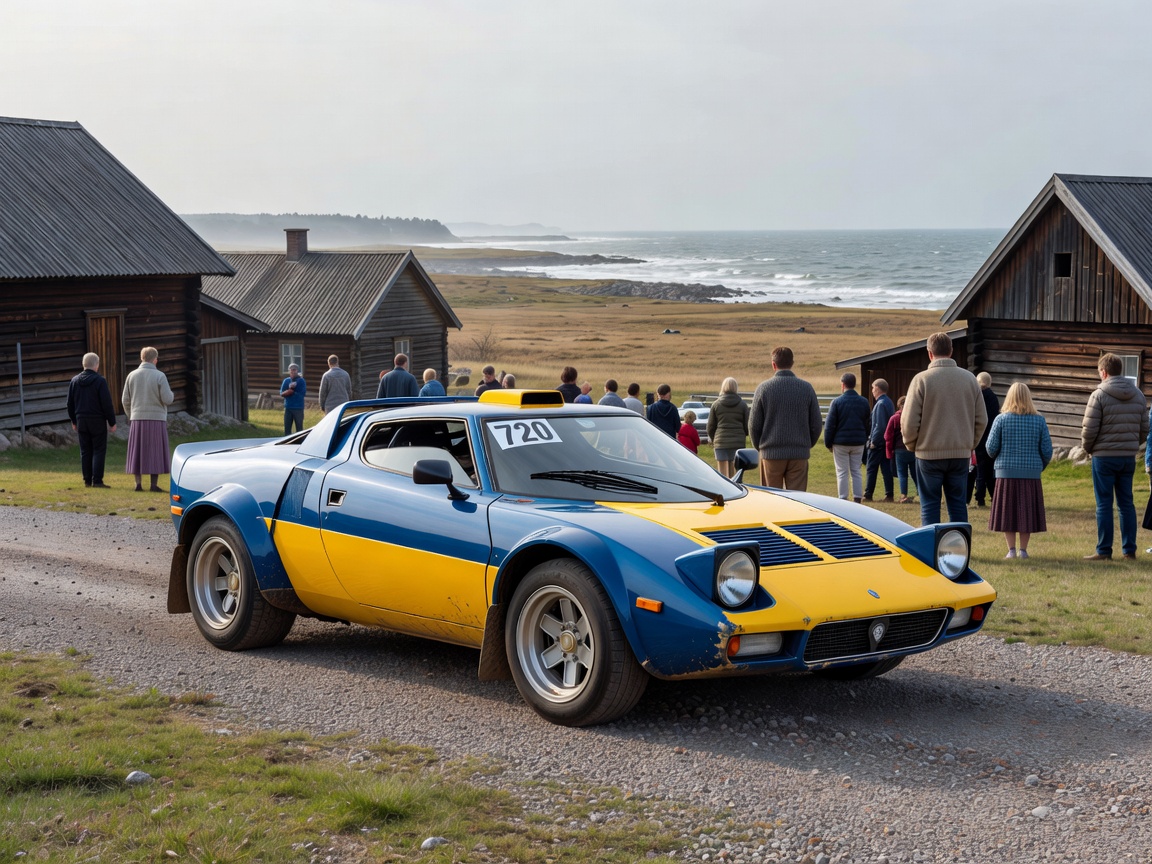
Rally culture is not only competition. It includes the organisers, crews, local clubs, volunteers, businesses, landowners and spectators who make an event possible. The details differ across Estonia, Latvia and Lithuania, and across communities within each country.
Heritage without a single story
Baltic motorsport has developed through changing political, economic and sporting conditions. Local histories may connect to rally competition, circuit racing, amateur events, engineering skills and the wider enthusiasm for cars. A regional guide should treat those histories with care rather than flattening them into one narrative. Specific claims about people, results or institutions require reliable sources and context.
For visitors, heritage is often encountered through collections, public displays, archives and stories shared by local enthusiasts. Check opening arrangements and event access before planning a visit. A rally service park is not a museum, and a working team area may have restricted access even when it attracts public interest.
Grassroots communities
Grassroots motorsport depends on practical knowledge and participation. Clubs can support event organisation, marshal recruitment, training, local communication and community activity. Their roles vary, and not every club is an organiser or affiliated with every competition. Verify a club’s current identity and activities through its own published information.
Volunteer contributions are visible in course control, spectator guidance, administration and safety operations. Their authority on site matters. Follow instructions promptly and respectfully. A marshal’s direction is part of the event’s safety system, not an optional suggestion to negotiate around.
Service parks as shared spaces
Service parks bring teams, equipment, officials and visitors into a compact setting. They can give spectators a close view of preparation when public access is permitted. They also operate as work zones where vehicles move, repairs take place and deadlines matter. Keep to signed pedestrian routes, respect boundaries and avoid interrupting technical work.
Good service-area etiquette is simple: ask before photographing people, do not touch cars or tools, keep children close, and leave room for crews. If an area is closed, accept the restriction. Respect for working teams helps preserve access for future visitors.
Regional identity and local roads
Landscape, language, settlement patterns and local infrastructure affect how a rally is experienced. Forest routes, rural junctions, open fields and coastal weather can create different practical conditions. Those characteristics are not a fixed national stereotype. Conditions change from event to event and from one part of a route to another.
Visitors can contribute positively by learning a few local place names, checking road information, supporting nearby services responsibly and avoiding disruption to residents. Park only where directed. Keep driveways, farm access and emergency routes clear. Leave no litter and do not trespass for a better view.
Spectator traditions and responsible participation
Rally audiences often value technical detail, sound, changing conditions and the shared work behind a stage. Traditions evolve, and public behaviour shapes whether events can continue to use local roads and land. The safe way to participate is to attend through authorised access, follow the event’s current spectator guide and treat the landscape as a working place rather than an empty backdrop.
Never imitate competition driving on public roads. Rally cars operate within controlled competition conditions; public roads have other users, legal limits and unpredictable hazards. Do not enter closed stages, move barriers, ignore marshals or encourage unsafe behaviour. Report a concern to event staff rather than approaching competition vehicles or entering restricted space.
Good for
This guide is for visitors who want context as well as route information. It is also useful for local readers, club supporters and people considering how to take part respectfully in a motorsport community.
What to know
- Regional histories are varied; attribute specific claims to reliable sources.
- Clubs and organisers have distinct roles. Do not assume affiliation.
- Service parks are active work areas, not unrestricted exhibition spaces.
- Responsible travel and spectator conduct support local access.
Keep exploring
Learn how people and equipment move through team operations, or read the practical spectator planning guide. To suggest a regional source or correction, contact the editorial desk.