A rally team is a coordinated operation with defined responsibilities. Its size and structure depend on the category, event rules, budget and support arrangement. A visible car name or livery alone does not reveal who is entered or who is providing technical assistance.
Driver and co-driver
The driver controls the car and manages pace, grip and vehicle response within the competition rules. The co-driver reads pace notes or other permitted information, manages route instructions and supports timekeeping and event procedures. Their work depends on shared preparation, consistent terminology and trust under changing conditions.
Rally crews need more than speed. They must follow road sections, controls, time cards or electronic systems as applicable, and official directions. Crew roles and permitted equipment vary by competition category. Check event regulations for the specific format rather than assuming one rule set applies across the region.
Service and technical roles
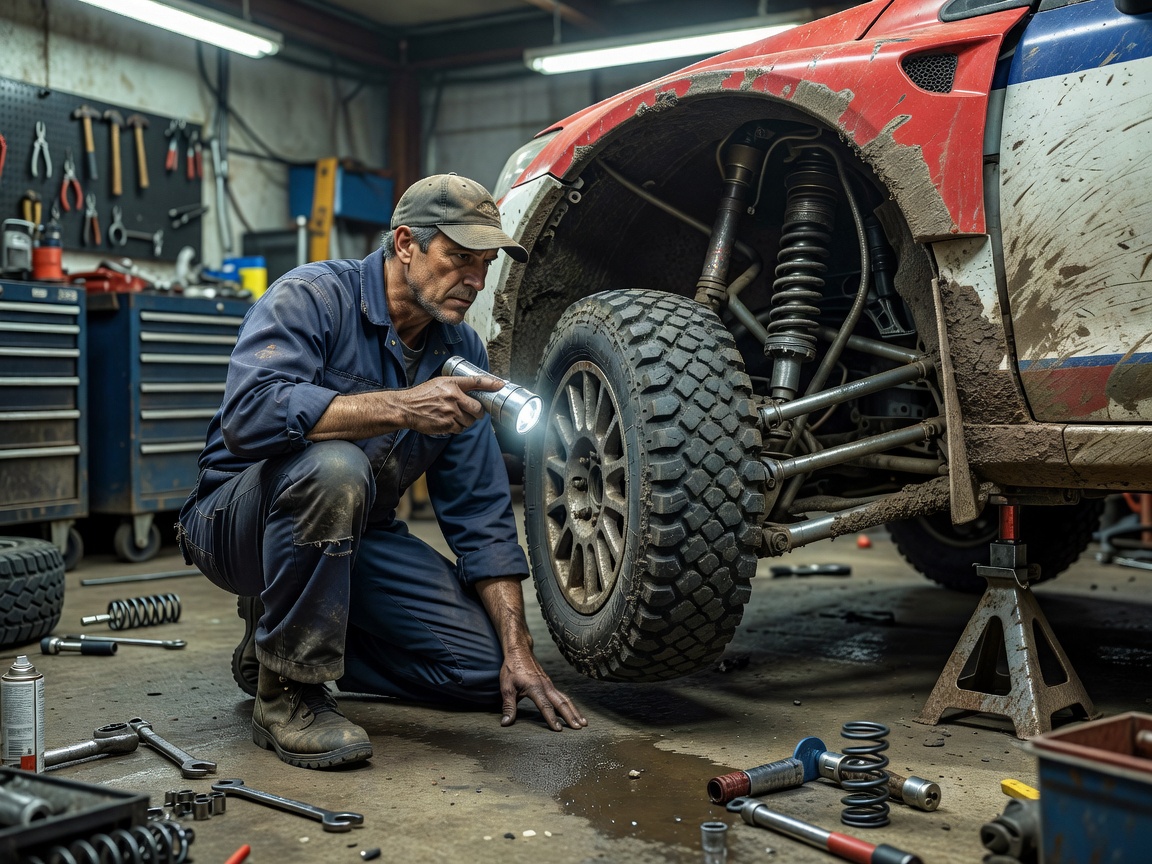
Service crews inspect and maintain the car within the event’s defined windows and operating areas. Typical work may include checking wheels, suspension, brakes, bodywork and fluid levels, subject to regulations and available time. Engineers, technicians and crew chiefs may monitor vehicle condition, setup and repair priorities. The personnel present vary between teams and events.
Service is a controlled workspace, not a public display area. If visitor access is allowed, follow marked pedestrian routes, do not touch equipment or vehicles, and keep clear of work in progress. A car can move unexpectedly, tools can be hot or sharp, and staff need room to act. Follow event staff and team instructions.
Vehicle preparation and categories
Competition vehicles are prepared to meet the technical and safety requirements of their class. Categories can differ in vehicle specification, performance, permitted modifications and eligibility. A class label is meaningful only in the context of the applicable championship or event regulations. Do not infer a car’s category from appearance alone.
Preparation includes inspection, safety equipment checks, setup decisions and transport planning. The exact process is team- and regulation-specific. Service parts and tyres must be managed for the event format and expected conditions, while respecting limits established by the rules. Public-road modifications are not a substitute for competition preparation and should never be undertaken without legal, safety and technical guidance.
Logistics behind a stage
Teams coordinate people, vehicles, tools, spare parts, documentation and movement between event locations. A rally route can involve public-road transfers, controlled areas and tight service windows. The team’s travel plan must allow for official timings and access restrictions. A missed control or closed route can affect participation even when the competition car is ready.
For spectators, team logistics explain why service parks can be busy and why access limits matter. Keep lanes open for competition cars and emergency vehicles. Do not ask crew to move equipment or interrupt repairs for a photograph. Use only approved public areas.
Research active teams responsibly
Team line-ups and entries can change. To identify a current team, start with the official event entry list, championship source or team channel, then check publication date and category. Confirm driver and co-driver names against the relevant official listing. Do not copy old results, social posts or fan databases as current facts without corroboration.
This guide does not assert that any particular team or crew is currently competing. If a source is unclear, describe what it confirms and when it was published. Avoid converting a livery, sponsor decal or workshop name into a claim about ownership or technical support.
Good for
Use this guide if you want to understand what happens between stages, interpret team roles, or research an entry without confusing historical information with current participation.
What to know
- Team structures and categories vary by event and regulation.
- Entry lists are time-sensitive; check official, dated sources.
- Service zones are active work areas. Follow access controls.
- Never copy competition modifications for public-road use.
Related guides
Read about event timing and service areas, or review the wider motorsport community. For a correction or editorial enquiry, contact the guide desk.