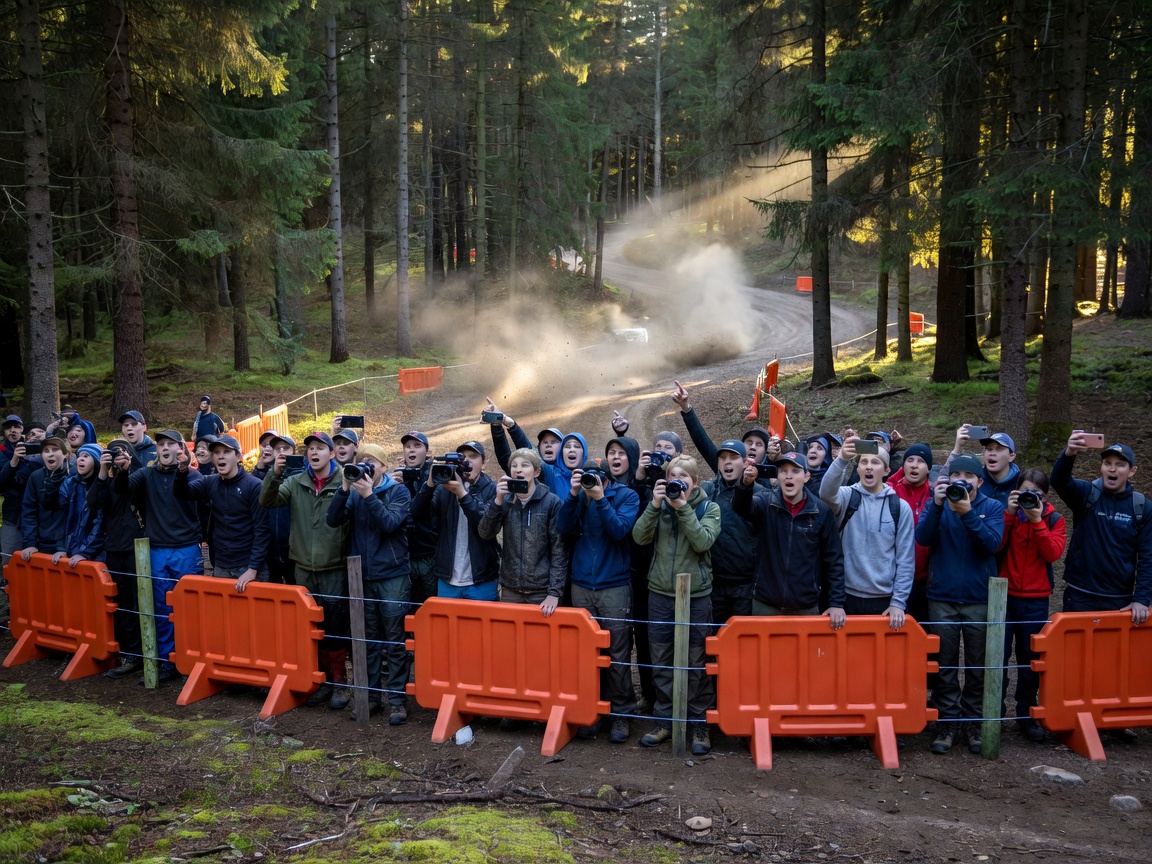
Spectator planning is a logistics task. Stage locations can be remote, roads can close, and the shortest route on a map may not be an authorised route on event day. Prepare around the organiser’s current instructions rather than assumptions.
Start with current event information
Confirm the event schedule, spectator guide, access restrictions, parking guidance and any ticket or registration conditions from official sources. Check publication dates and revisit them before departure. A previous edition’s map can be useful for understanding the general region, but it is not a current access document.
Identify the day’s permitted viewing options and choose a realistic plan. Several locations may look possible on a map, but changing between them can require long drives, controlled crossings or road closure windows. One accessible area can be a better choice than a rushed itinerary. Follow staff direction if an area reaches capacity or an operational change affects access.
Arrival, transport and parking
Allow time for traffic, checks, parking and the walk to the viewing area. Follow event parking instructions; do not leave a vehicle on a stage access road, private land or a route that could be needed by emergency services. Keep gates, junctions and farm access clear. If you use public transport, verify service times and the distance between the stop and the authorised spectator entrance.
Plan your departure as well as arrival. Traffic may be released in stages, and public roads can be affected by event operations. Do not drive against closures or follow a convoy onto a restricted route. Keep a backup travel plan and share your intended destination with your group, especially where mobile coverage is uncertain.
Clothing, weather and essentials
Dress for standing and walking on uneven ground. A practical kit may include weather-resistant layers, sturdy footwear, water, food, a charged phone, a small first-aid kit and any personal medication. Pack for the forecast but allow for conditions to differ at a forest or rural stage. In cold or wet weather, dry layers matter; in warmer conditions, shade, water and sun protection matter.
Keep equipment compact. Large chairs, umbrellas or camera supports may obstruct other visitors or be prohibited in viewing zones. Check the event’s rules before bringing them. Do not use equipment that blocks sightlines, crosses a barrier or could fall into a vehicle route.
Choose access over proximity
The closest point to a stage is not necessarily the best viewing choice. Use designated areas and evaluate the walk, surface, crowd space, shelter and accessibility information supplied by the organiser. If the site requires a steep or uneven approach, consider whether it suits everyone in your party. Do not position yourself at a crest, outside bend, junction or other restricted location because it appears to offer a clear view.
Children should remain with a responsible adult and behind the same safety boundaries as other spectators. Keep pets at home unless the event expressly permits them and the animal can be managed safely in a loud, crowded environment. Never leave a child or animal in a vehicle unattended.
Move carefully between viewing areas
Stage access and road closure windows can make transfers impossible or unsafe. Use only routes named in official guidance. Do not cross an active stage or a closed road. A marshal may hold spectators until a safe crossing window; wait for clear instruction before moving. Keep your group together and avoid walking along the competition route.
Make a simple meeting plan in case your group becomes separated. Choose an accessible public point outside restricted areas, and make sure each person knows the plan. Do not rely on a phone signal as the only way to reconnect.
Responsible spectator conduct
Stay behind barriers, obey marshals and keep clear of competition vehicles, service traffic and emergency access. Do not throw objects, use drones where prohibited, cross tape or enter closed stages. Leave no litter and respect residents, private property and local road users. If you see an immediate safety issue, alert event staff rather than entering a restricted zone to intervene.
Good for
This checklist suits first-time visitors, families, international travellers and anyone planning to attend more than one stage. It can also help groups agree on transport and accessibility needs before booking.
What to know
- Official instructions override saved maps and informal advice.
- Stage times and road access may change.
- Viewing is permitted only in authorised areas.
- Travel legally and leave emergency routes clear.
Related guides
Review event schedules and service areas before selecting a day, then use stage notes to understand terrain and access. Questions about the guide can be sent via Contact.