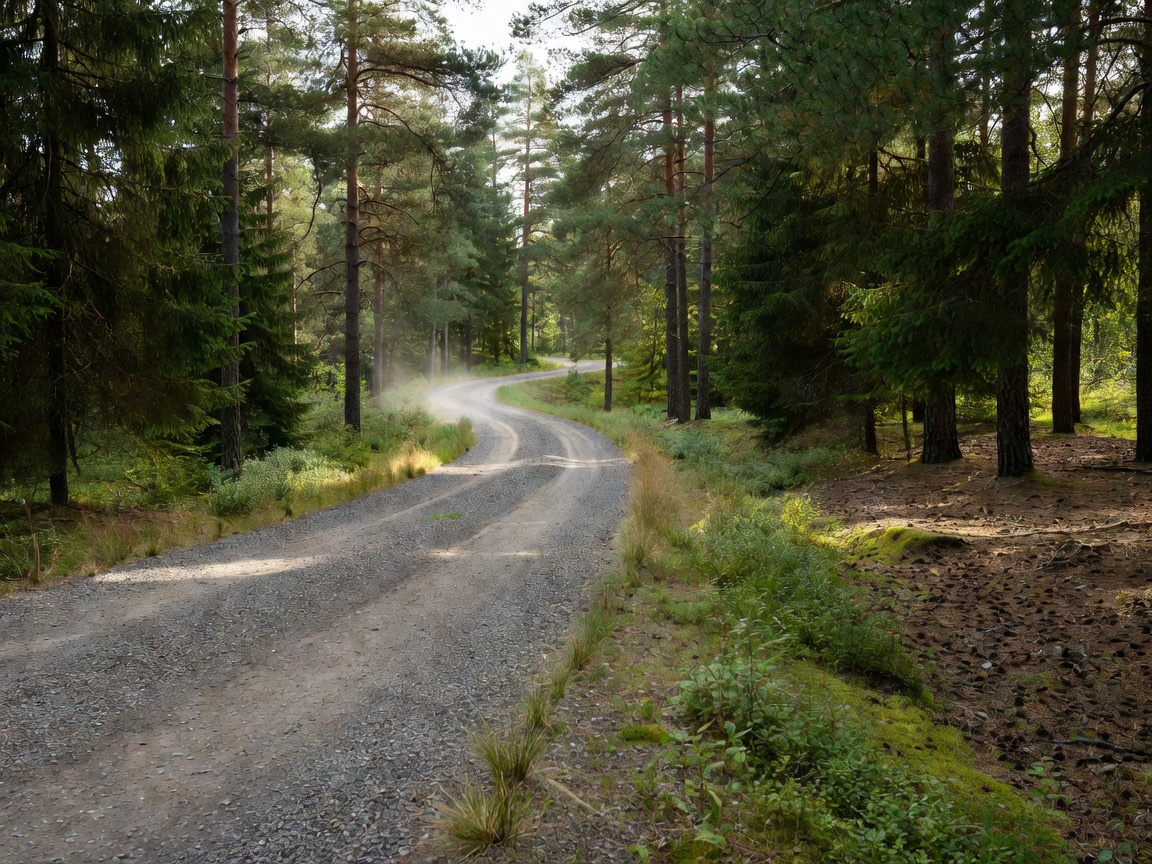
A stage should be read as a changing route, not a single surface label. A gravel road can include compacted sections, loose material, junctions, drainage edges and short paved links. Conditions also change after competition vehicles pass.
Gravel and paved surfaces
Gravel stages can offer variable grip and a changing road surface. Loose stones may be displaced, ruts can develop and dust can affect visibility where conditions allow it to linger. Wet weather may soften shoulders or create standing water. These are general possibilities, not a description of any current stage. Official notes and on-site directions determine access and safe viewing.
Paved sections may provide a firmer surface but can still include narrow roads, camber changes, damp patches, debris or limited run-off. A paved road is not automatically a safer spectator location. Viewing distance, barriers, terrain and the official safety plan matter more than a surface category alone.
Terrain, elevation and road width
Forest roads may be enclosed by trees and have restricted sightlines. Open agricultural routes can have broader views but expose visitors to wind and weather. Changes in elevation can affect visibility and drainage. A crest, outside of a bend or roadside embankment can be hazardous even when it looks like a convenient vantage point. Do not choose a location by judging vehicle approach speed or apparent distance.
Road width influences where vehicles and emergency access can move. Narrow sections leave less space for roadside activity and may require controlled spectator zones. Do not stand on the road edge, block access tracks or park where an emergency vehicle might need to pass. Follow event boundary markers and marshal instructions even if another visitor has chosen a different position.
Weather changes the plan
Rain can affect traction, visibility, clothing and access routes. Wind makes exposed areas less comfortable. Cold conditions can make long waits demanding, while warm weather still requires water and sun protection. A forecast is not a guarantee for the stage location. Bring layers and footwear suited to uneven ground, then reassess conditions before leaving the vehicle.
Weather can also affect the event itself. Organisers may change a route or access arrangement for safety or operational reasons. Keep a charged phone, but do not rely on network coverage in remote areas. Save official notices and maps for offline access when permitted, and follow any revised instructions on site.
Stage access and map reading
Use the event’s current spectator map and access notes. Look for designated parking, walking routes, crossing points, viewing areas and prohibited zones. A line on a map does not prove that a road is open to public traffic. Public roads can become restricted during an event, while private access may be closed entirely. Do not follow a navigation app onto a closed or unauthorised route.
Plan the walk from legal parking to the viewing area before departure. Consider distance, surface, daylight and mobility needs. Leave more time than a direct distance suggests: barriers, crossing controls and pedestrian routes can add time. Never cross a stage unless officials have opened a designated crossing and instructed you to proceed.
Choosing a viewing area
Use only official spectator zones. The organiser’s safety plan determines where viewing is allowed; this guide cannot identify a current safe location. A marked zone may trade a close view for a wider view, easier access or a clearer escape route. Choose based on safe access, mobility, weather shelter, crowd capacity and the ability to remain behind barriers. Avoid outside bends, crests, junctions and any location rejected by marshals.
Good for
This guide helps spectators compare route conditions, prepare for changing weather and interpret stage maps without treating them as access permits. It is also useful for first-time rally visitors who want to understand why viewing areas are controlled.
What to know
- Stage access is controlled by the current event instructions.
- Surface labels do not determine spectator safety.
- Stay behind barriers and keep clear of competition and emergency vehicles.
- Respect closed-road restrictions; never enter an active stage.
Related route planning
Pair this page with spectator planning for arrival and movement, or review event formats and schedules before choosing a day. Send route-guide corrections or accessibility questions through Contact.